Trusted Construction Guide Options
Revitalize Your Space: Crucial Insights Regarding Home Renovation Work for Every Homeowner
Residents commonly search for options to upgrade their homes through home improvement projects. These projects can range from small kitchen fixes to complete home renovations. Being aware of the possibilities is essential for choosing intelligently. Moreover, one must consider practical considerations including financial planning and contractor selection. As homeowners commence on this journey, they may find themselves facing unexpected challenges. The secret to a great renovation lies in careful planning and implementation. What are the next necessary steps?
Knowing the Various Categories of House Improvement Projects
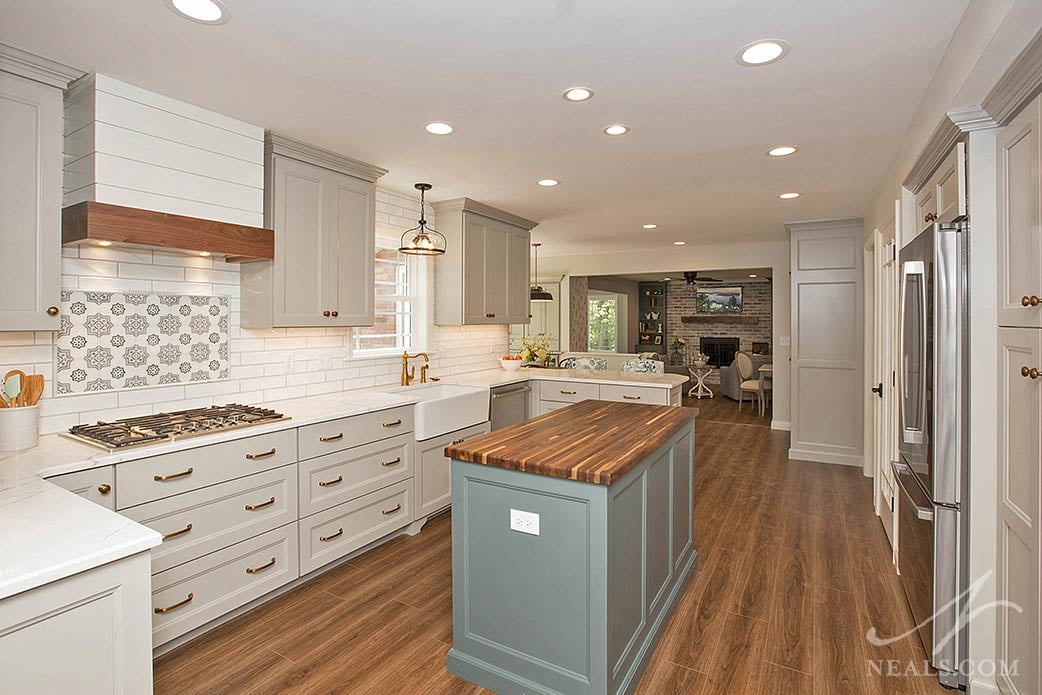
As householders look to improve their living spaces, they often encounter numerous renovation options tailored to different needs and preferences. These projects are generally grouped into a few distinct groups, each focusing on particular areas of home improvement. Renovating the kitchen involves updating appliances, cabinetry, and floor plans to enhance functionality and aesthetics. Bathroom upgrades generally mean improving the fittings, tiles, and storage solutions for improved comfort and style.
Complete residential remodeling includes extensive modifications to the entire house, often including structural alterations to maximize the area and layout. Exterior remodeling services, conversely, focus on boosting the home's outward appearance, handling the exterior walls, roofing, and the garden design. Additionally, specialized services like basement finishing and attic conversions help residents make the most of neglected parts of the home. Each type of remodeling service offers unique benefits, letting residents pick services that fit their desired outcome for their living environment. Grasping these differences is essential when making informed decisions while undertaking the upgrade.
Setting a Realistic Budget for Your Renovation Undertaking
How do property owners make certain their remodeling projects remain financially viable? Developing an achievable budget is essential. It is advisable for homeowners to begin by assessing their monetary resources, including savings and potential financing options. This first stage helps establish how much can be allocated for the renovation without compromising other financial responsibilities.
Afterward, those undertaking the remodel should look into the financial requirements of their intended changes, taking into account materials, labor, and unexpected costs that frequently occur. Developing a comprehensive priority list aids in separating necessities from non-essential items, making it possible to adjust if funds become limited.
It is prudent to set aside an emergency fund, typically around 10-20% of the total budget, to account for surprise expenditures. Frequently checking and modifying the budget during the renovation project can further assist in keeping finances in check. Ultimately, a well-planned budget does more than just confirm the project can be done but also enhances the overall remodeling experience for homeowners.
Finding the Best Contractor to Suit Your Project.
Selecting the right contractor can greatly impact the outcome of an updating effort. It is recommended that homeowners start by conducting thorough research, seeking recommendations from friends, family, or online reviews. It’s vital to verify credentials, including licenses, insurance, and bonding, to confirm legitimacy.
After suitable professionals have been found, they should seek detailed cost breakdowns and timeframes, facilitating well-grounded side-by-side evaluations. Meeting with them offers a look at their manner of communicating and their professional conduct, that are key to a cooperative effort.
Furthermore, examining previous work via portfolios or referrals demonstrates the professional's skill level. It is wise to question them regarding warranties or safeguards, indicating the builder's certainty about their services.
Finally, picking a builder whose approach fits the property owner's ideas, cost plan, and timeframe fosters a more positive remodeling experience, making certain the outcome satisfies needs and transforms the living space effectively.
Structuring and Laying Out Your Ideal Space.
As those renovating imagine their desired rooms, thorough preparation and well-considered layout become essential components of a triumphant renovation effort. The beginning stage requires reviewing existing necessities and future desires, allowing for a thorough understanding of how the space will be used. It is important for homeowners to weigh functionality, aesthetics, and personal style, making sure the design captures their unique preferences.
Next, establishing a thorough budget is crucial. This budget should accommodate materials, workforce costs, and possible unexpected costs. Engaging with design professionals can provide valuable insights, aiding in maximizing the area while sticking to budgetary constraints.
Integrating components like ample daylight, open layouts, and eco-friendly supplies can improve the final result. In conclusion, seeing the project via sketches or digital renderings can assist in finalizing plans before implementation. By approaching the planning and design phase with intention, homeowners can build a comfortable, effective space tailored to their lifestyle.
Understanding Regulations and Permits in Residential Projects
Familiarizing oneself with the red tape and requirements can be challenging for homeowners starting on a remodeling project. Each municipality has specific rules that determine what is allowed during renovations, typically guided by area restrictions, building codes, and security requirements. Homeowners must familiarize themselves with local regulations to avoid costly fines or construction hold-ups.
In most cases, getting permits is mandatory for substantial modifications, such as structural changes or electrical work. This process often involves submitting plans for review and might demand site visits at different phases.
Hiring an experienced builder can streamline these steps, as they are typically experts in municipal rules and can help manage the documentation. Owners must also maintain clear key resource communication with local building departments to guarantee compliance throughout the project. By understanding and maneuvering through these requirements, homeowners can meet their renovation objectives while guaranteeing that the work is safe and legal in their renovations.
Frequently Asked Questions
What is the Duration of a Standard Home Renovation?
:max_bytes(150000):strip_icc()/modern-interior-design-living-room-486341933-586fd3495f9b584db31821aa.jpg)
A typical home remodeling project usually takes three to six months on average, contingent upon the extent of the project, size of the home, and availability of materials. Complex projects may require additional time for completion.
What are some common mistakes you should steer clear of while undertaking a remodel?
Frequent errors in the remodeling process include underestimating budgets, not securing the required permissions, not adhering to the project schedule, failing to communicate effectively with the construction team, and ignoring long-term functionality. Understanding these dangers helps ensure a more efficient, more positive renovation outcome.
How do I choose the right materials for my project?
Selecting appropriate supplies involves evaluating their resilience, aesthetics, and cost constraints. Investigating available choices, talking to specialists, and considering maintenance needs can greatly aid in making informed decisions, ensuring the project aligns your needs and preferences.
Can I live in my home while the remodeling is happening?
Yes, one can live in the house while work is ongoing, but it might cause disruption. Thorough preparation, clear communication with contractors, and setting aside certain zones for essential activities will reduce the inconvenience during the process.
What kind of coverage should be provided by my builders?
Clients typically receive warranties covering workmanship, the products installed, and the integrity of the structure, typically ranging from one to ten years. You must carefully check the fine print and details alongside your builders to know the full extent of the guarantee and its restrictions.